


Cart
Buying a book using a Purchase Order
Click here and our sales team will contact you directly with pricing
local_shipping Free Standard Shipping on all orders $25+ and use Coupon Code SUMMER for an additional 15% off!

WorldCat is the world's largest library catalog, helping you find library materials online.
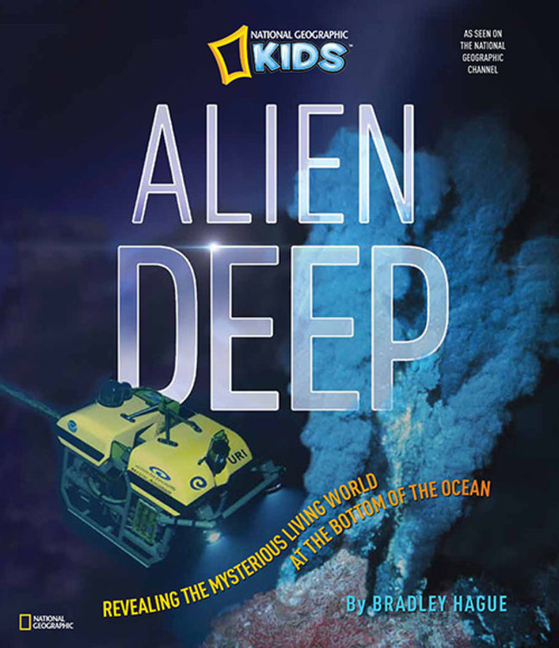
Gr 5-8--Concentrating on the exploration of hydrothermal vents found on the ocean floor, this book also focuses on how such deep-sea discoveries continue to be made. The knowledge gained about vents and the life they support is well integrated with the work of discovery and interpretation. Beautifully illustrated with full-color photographs, the text begins with the first encounter, in 1977, with this unique habitat of life-forms based on chemosynthesis rather than photosynthesis. Existing in total darkness, extreme cold, and high pressure, these creatures astonished scientists and revolutionized the understanding of deep-sea life. The narrative often uses adult language ("exploring... is an exercise in humility") as it follows the scientists/explorers and their use of submersibles, Remote Operated Vehicles, and sophisticated computer technology. Text bubbles throughout provide short definitions of terms and concepts, e.g., "We know more about the surface of Mars than we do about the deep ocean." A one-page glossary provides concise definitions of some of the terms used, such as "symbiosis," "archaea," and "plate tectonics," but does not include pronunciation guides. A one-page listing of websites and books (many National Geographic publications) offers suggestions for further exploration, and an index offers a helpful guide to the text ("siphonophores," "pillow basalt," "tubeworms"). A good overview of the topic and the cooperative effort involved in scientific discovery.--Frances E. Millhouser, formerly at Chantilly Regional Library, Fairfax County, VA
Copyright 2013 School Library Journal, LLC Used with permission.Gr 5-8--Concentrating on the exploration of hydrothermal vents found on the ocean floor, this book also focuses on how such deep-sea discoveries continue to be made. The knowledge gained about vents and the life they support is well integrated with the work of discovery and interpretation. Beautifully illustrated with full-color photographs, the text begins with the first encounter, in 1977, with this unique habitat of life-forms based on chemosynthesis rather than photosynthesis. Existing in total darkness, extreme cold, and high pressure, these creatures astonished scientists and revolutionized the understanding of deep-sea life. The narrative often uses adult language ("exploring... is an exercise in humility") as it follows the scientists/explorers and their use of submersibles, Remote Operated Vehicles, and sophisticated computer technology. Text bubbles throughout provide short definitions of terms and concepts, e.g., "We know more about the surface of Mars than we do about the deep ocean." A one-page glossary provides concise definitions of some of the terms used, such as "symbiosis," "archaea," and "plate tectonics," but does not include pronunciation guides. A one-page listing of websites and books (many National Geographic publications) offers suggestions for further exploration, and an index offers a helpful guide to the text ("siphonophores," "pillow basalt," "tubeworms"). A good overview of the topic and the cooperative effort involved in scientific discovery.--Frances E. Millhouser, formerly at Chantilly Regional Library, Fairfax County, VA
Copyright 2013 School Library Journal, LLC Used with permission.


