


Cart
Buying a book using a Purchase Order
Click here and our sales team will contact you directly with pricing
local_shipping Free Standard Shipping on all orders $25+ and use Coupon Code BELONG for an additional 15% off!

WorldCat is the world's largest library catalog, helping you find library materials online.
Until now, you've only heard one side of the story: how Abraham Lincoln defeated the Confederacy to end slavery, but the truth involves a vast network of abolitionists who would keep fighting for freedom long after the end of the war. Here's the true story of the Civil War and Reconstruction, from the African American perspective.
By 1850, Africans had already been in the United States for nearly 300 years. Their labor created a strong economy and defined American society in profound ways, but their rights nearly tore the country apart, a century after its founding.
The beginning of the Civil War marked a turning point: the beginning of a public fight to recognize African Americans as Americans. Though much of this played out on the battlefield, the real fight was going on in every corner of the country: North and South, free households and enslaved, in the halls of government and secret meetings. That fight didn't end when the South surrendered, and young people were central to the way abolitionists envisioned the future. From soldiers to public speakers to the Underground Railroad, this is the true story of the African American experience of the Civil War and Reconstruction.
This volume is a valuable resource that helps push back against problematic erasure. Fleshes out an often-oversimplified era with a nuanced web of historical information.
There are illustrations (maps, vintage photos), chapter-ending, open-ended “Let’s Think About This” prompts that invite reflection, and extensive references. Substantial, crucial curriculum support.
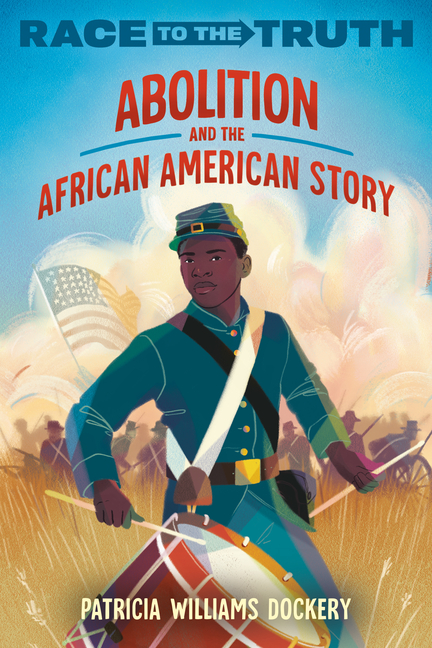
Gr 6 Up-An account of the history of the Abolition movement in the United States, which has historical records from as early as 1688. The book draws a line from early Abolitionists through the Civil War and Reconstruction to modern movements like Black Lives Matter and prison labor reforms. Dockery's text calls particular attention to the anti-slavery efforts of African Americans, who are often left out of conventional Abolitionist narratives that center white activists and politicians. The content is arranged roughly in chronological order, but some sections seem out of place, without clear transitions within the larger chapters. While there are an extensive bibliography and list of resources, this book lacks infographic elements, with only a few black-and-white photographs scattered throughout. The cover art style also indicates a younger readership than the intended middle school audience. VERDICT A comprehensive overview of an important topic with few pictures or interactive elements, narrowing down its young reader appeal. Recommended for middle school library collections.
Copyright 2025 School Library Journal, LLC Used with permission.


